A sports injury can stop you in your tracks. It can interrupt your routine and make even simple movements feel unfamiliar. Whether it is a sudden injury or something that has been building up over time, guided rehabilitation helps you heal safely and return to activity with strength and control.
With Stacy Nellemann Biokineticist & Associates, sports injury management focuses on structured movement that supports recovery and reduces the risk of reinjury. You learn how to rebuild strength, restore mobility, and return to your sport or activity feeling more stable and prepared.
What is sports injury management?
Sports injury management is a movement-based approach that helps you recover from injuries that affect muscles, joints, ligaments, and tendons. It supports healing through structured exercise, guided progression, and practical strategies that keep your body moving safely.
This type of rehabilitation is helpful for the following injuries:
- Muscle strains or tears
- Ligament sprains and instability
- Tendon pain or overuse injuries
- Knee, ankle, or shoulder injuries
- Lower back or neck strain
- Post-surgical recovery
- Stress injuries from repetitive activity
The aim is not only to treat the current injury but also to understand the movement patterns that may have contributed to it.
Why is movement so important during recovery?
After an injury, your body attempts to protect itself by tightening muscles or limiting movement. While this is natural, staying still for too long can weaken your muscles, create imbalances, and cause stiffness that slows healing. Guided movement interrupts that pattern.
With structured rehabilitation, you can experience the following:
- Restore flexibility and range of motion
- Improve joint stability and muscle control
- Strengthen weakened or inhibited muscles
- Correct movement patterns that place stress on the body
- Reduce discomfort linked to poor mechanics
- Rebuild confidence in your body
- Prepare safely for your return to sport
Movement, when approached carefully, helps your body heal stronger and more efficiently.
What can I expect during your rehabilitation sessions?
Your rehabilitation begins with an assessment that explores how you move after the injury. This provides a clear picture of what needs strengthening, which areas need support, and what movements may be contributing to discomfort.
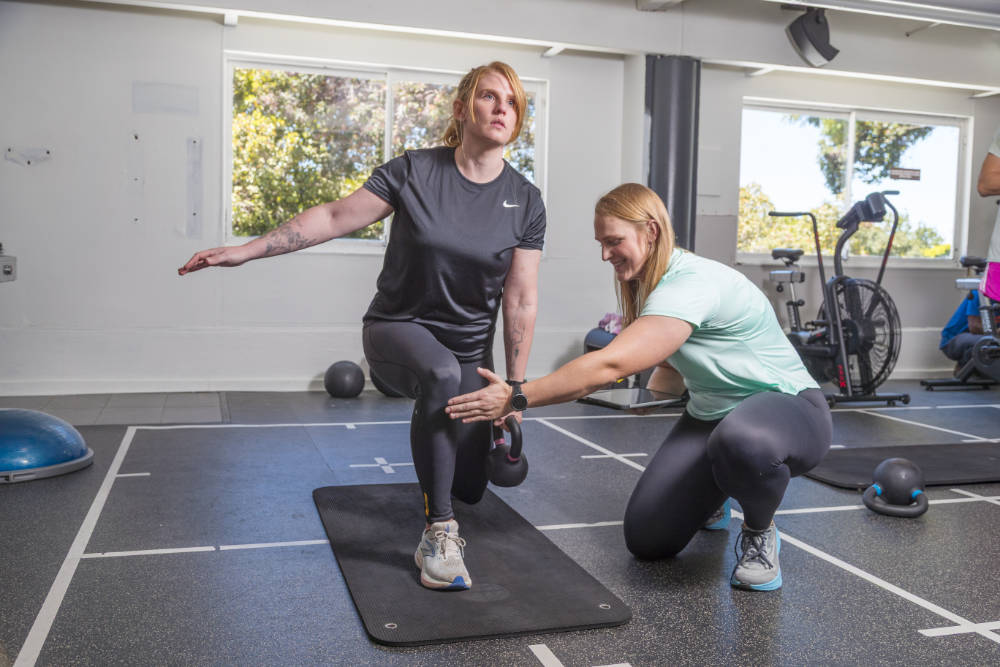
Based on this assessment, your sessions may include the following:
- Controlled stretching to restore flexibility
- Strengthening exercises for supportive muscle groups
- Balance and proprioception drills to improve stability
- Mobility work for stiff or restricted joints
- Technique guidance to correct unhelpful movement habits
- Conditioning exercises to ease your return to training
- Strategies for warm-up, cool-down, and injury prevention
Each exercise is explained clearly so you understand how it supports your recovery and why it matters for long-term strength.
How does this fit into my broader movement journey?
Sports injury management often works alongside other areas of rehabilitation. If your injury is linked to underlying weakness or long-term strain, elements of orthopaedic rehabilitation can help you build a more stable foundation. If your injury interacts with a chronic condition, principles from chronic disease management can support your stamina, strength, and overall health.
Likewise, once your injury begins to settle, many people transition naturally into sports conditioning, where strength, agility, and performance-focused exercises help you return to activity with greater confidence.
Your recovery is not a single step. It is a process that evolves as your body responds and adapts.
How long does recovery take?
Recovery times vary depending on the type of injury, your baseline strength, and how consistently you follow your rehabilitation plan. Some injuries respond quickly to movement. Others require steady progression over several weeks or months.
What remains consistent is this: repetition builds resilience. Every time you practise a movement correctly, your body learns, adapts, and strengthens. Those small gains accumulate into meaningful improvement.
What can I do between sessions?
Supporting your rehabilitation outside the studio can accelerate your progress. You can:
- Complete your prescribed home exercises
- Stay active with gentle movement
- Warm up properly before sport or training
- Apply ice or heat if advised
- Pay attention to posture during daily tasks
- Rest when your body signals the need
- Track your improvements so you can recognise progress
Consistency is the key. Every small action reinforces the work done in your sessions.
Move forward easily
A sports injury can be discouraging, but it doesn’t have to define your long-term performance or ability. With structured rehabilitation, clear guidance, and steady progression, your body can regain strength and stability step by step.
Stacy Nellemann Biokineticist & Associates supports you through the highs and lows of recovery. You learn how to move safely, rebuild your foundation, and return to your sport with renewed confidence.
If you are ready to begin your rehabilitation journey, schedule an appointment to take the first step towards moving well again.